# GHK-Cu Copper Peptide: Properties, Potential Uses, and Key Considerations
GHK-Cu, commonly known as copper peptide, is a peptide complex that has attracted considerable attention in cosmetic science, tissue research, and discussions surrounding skin health. The compound combines a short peptide sequence with copper and is associated with several biological processes involving collagen, connective tissue, and skin repair.
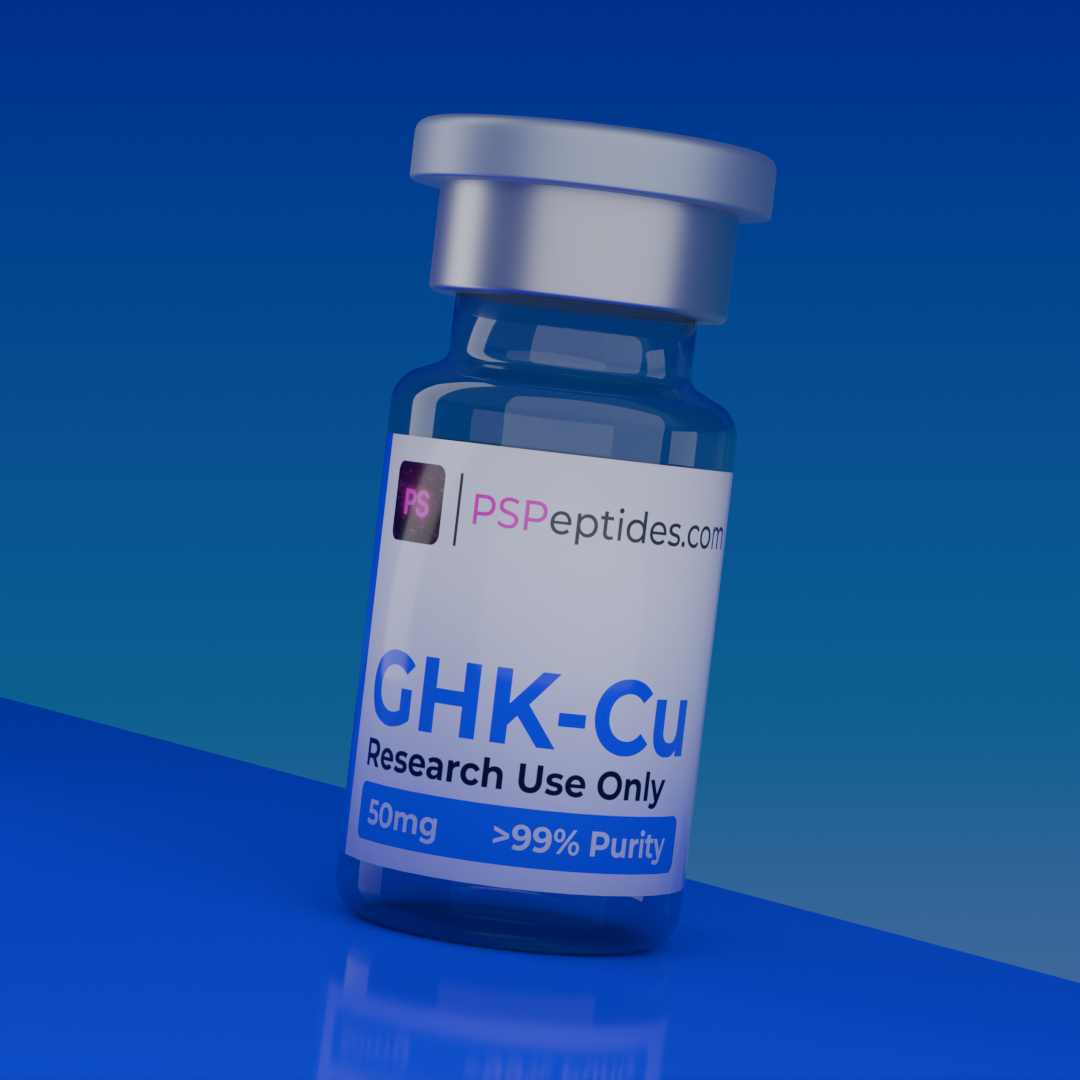
A product containing 200 mg of lyophilized GHK-Cu is designed as a laboratory-grade preparation and is supplied with bacteriostatic water for reconstitution. Understanding its composition, proposed applications, storage requirements, and limitations is important before considering the compound in any research or health-related context.
**What Is GHK-Cu?**
GHK-Cu is a copper complex of glycyl-L-histidyl-L-lysine. It belongs to a group of peptides that have been studied for their interaction with processes involved in tissue maintenance and regeneration.
Copper itself is an essential trace element that participates in numerous biological reactions. When associated with the GHK peptide, it forms a compound that has been investigated particularly in relation to skin structure and repair.
The combination has made GHK-Cu a subject of interest in cosmetic and biomedical research.
**Connection With Collagen and Elastin**
One of the main areas of interest surrounding GHK-Cu is its relationship with collagen and elastin. These proteins play an important role in maintaining the structure, firmness, and elasticity of the skin.
As people age, changes in collagen and elastin contribute to visible alterations in skin texture and resilience. Research into copper peptides has therefore focused partly on whether they can support biological pathways associated with extracellular matrix maintenance.
This is one reason GHK-Cu is frequently discussed in connection with skin appearance and age-related changes.
**Potential Role in Skin Repair**
GHK-Cu is also associated with research into wound-healing and tissue-repair pathways. The compound has been studied for its potential influence on processes involved in regeneration and remodeling.
These properties have contributed to interest in copper peptides beyond purely cosmetic applications. However, laboratory findings and theoretical biological mechanisms should not automatically be interpreted as proof of a particular clinical outcome in humans.
The effectiveness of a compound can depend on factors such as formulation, route of administration, concentration, and the specific condition being investigated.
**Anti-Inflammatory and Antioxidant Interest**
Another area of research involves the potential anti-inflammatory and antioxidant characteristics of GHK-Cu.
Oxidative stress and inflammation are involved in numerous biological processes, including those affecting skin and connective tissue. Researchers have consequently examined whether copper peptides can influence pathways associated with these mechanisms.
Such properties help explain the broad interest in GHK-Cu, although more research is needed to establish the practical significance of individual effects in different applications.
**GHK-Cu and Hair Research**
Copper peptides have also attracted attention in research concerning hair and scalp biology. Because hair follicles depend on complex interactions between cells, connective tissue, blood supply, and signaling pathways, compounds involved in tissue maintenance may be investigated for their potential relevance to hair-related research.
However, interest in a compound does not mean that it should be considered an established treatment for hair loss. The distinction between experimental research and clinically validated therapy remains important.
**Product Composition**
A 200 mg GHK-Cu preparation is supplied in lyophilized form. Lyophilization, commonly known as freeze-drying, is widely used for substances that require stability during storage before they are prepared for use.
The product information describes a kit containing a vial of lyophilized GHK-Cu and a separate vial of bacteriostatic water intended for reconstitution.
Because this type of preparation is different from a conventional cosmetic product or nutritional supplement, appropriate handling and sterile technique are important considerations.
**Storage and Handling**
Proper storage is particularly relevant for peptide preparations. The product information recommends keeping the lyophilized material in a cool, dry environment and protecting it from light.
After reconstitution, refrigeration is indicated, while freezing is discouraged. The preparation should also be handled gently rather than vigorously shaken.
These details illustrate why storage conditions should be taken seriously. Exposure to inappropriate temperatures, light, or handling conditions may affect the stability of a peptide preparation.
**Quality and Authentication**
Quality control is an important consideration when evaluating laboratory-grade peptides. The product description states that the vial is hermetically sealed and that the batch is subject to verification and authenticity controls.
For any research compound, documentation concerning identity, purity, batch information, and manufacturing standards can be useful when assessing its suitability for a particular purpose.
Packaging alone, however, should not be considered sufficient evidence of quality. Independent laboratory documentation and appropriate regulatory information are more meaningful when evaluating a research material.
**Cosmetic Interest in Copper Peptides**
The popularity of GHK-Cu is closely connected with interest in maintaining healthy-looking skin. Its proposed relationship with collagen production, tissue repair, and antioxidant pathways has made copper peptides a recurring topic in skincare research.
It is important, however, to distinguish between topical cosmetic formulations and preparations intended for laboratory or other controlled research purposes. They are not necessarily interchangeable, and their safety profiles can differ depending on formulation and intended route of use.
**Research Compound Versus Medical Treatment**
GHK-Cu should not automatically be regarded as an approved treatment simply because it has been investigated for particular biological effects. Laboratory research can provide useful information about mechanisms without establishing that a compound is safe or effective for treating a specific disease.
Anyone considering a peptide for personal medical use should therefore consult a qualified healthcare professional and verify the regulatory status and intended use of the specific preparation in their jurisdiction.
**Why Responsible Handling Matters**
Peptide research requires attention to more than the identity of the compound itself. Storage, preparation, sterility, concentration, contamination risks, and appropriate laboratory procedures can all influence the reliability and safety of an experiment.
For this reason, GHK-Cu preparations should be handled according to appropriate laboratory protocols and the manufacturer's specifications rather than treated as ordinary supplements.
**Conclusion**
GHK-Cu https://www.ecbt.org/product/ghk-cu-200mg-zphc-copper-peptide/ is a copper-associated peptide that has generated interest in research involving collagen, elastin, tissue repair, inflammation, oxidative processes, skin biology, and hair-related pathways. A 200 mg lyophilized preparation provides a concentrated research material that requires appropriate storage and careful handling.
Its potential biological properties make GHK-Cu an interesting subject for continued research, but promising mechanisms should not be confused with established medical outcomes. A careful distinction between laboratory research, cosmetic applications, and clinical treatment is essential when evaluating copper peptides and their potential uses.